
Bean to Cup Coffee Machines vs. Espresso Machines: Which is Best for Your Business?
Commercial businesses such as cafes, restaurants and offices face a plethora of choices when it comes to choosing the right coffee machine.
Two popular options that often come up are bean to cup coffee machines and traditional espresso machines. Each type has its unique features, benefits, and drawbacks.
In this blog, we delve into the specifics of both machines, comparing them across several criteria to help you decide which one is best for your business.
What is a Bean to Cup Coffee Machine?
A bean to cup coffee machine is an all-in-one device that automates the coffee-making process. These machines grind fresh coffee beans, brew the coffee, and often even froth milk, all at the touch of a button. They are designed for convenience and consistency, making it easy to enjoy a variety of coffee beverages without extensive barista skills.
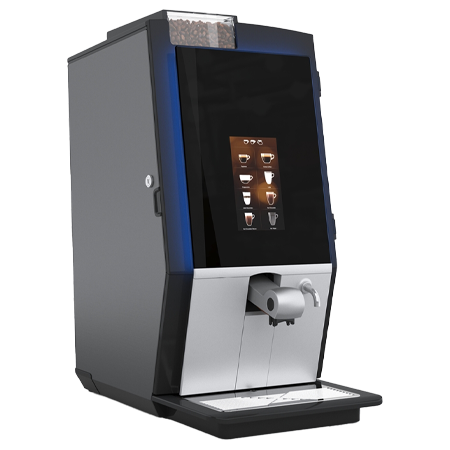
Advantages of Bean to Cup Machines
Convenience: The primary advantage of bean to cup machines is their ease of use. With a single press, you can get freshly brewed coffee without manual intervention.
Consistency: These machines deliver consistent results, ensuring each cup of coffee tastes the same, which is perfect for offices or households with multiple users.
Variety: Many bean to cup machines come with built-in programmes to make a range of coffee drinks, from espresso to cappuccino and latte.
Freshness: Since the coffee is ground fresh for each brew, you get the full flavour and aroma of the coffee beans.
Disadvantages of Bean to Cup Machines
Cost: Bean to cup machines can be quite expensive, especially models with advanced features and capabilities.
Maintenance: These machines require regular cleaning and maintenance to ensure they function properly and the coffee remains fresh.
Control: For coffee establishments who enjoy tweaking their coffee’s grind size, brew time, and temperature, bean to cup machines might feel restrictive due to their automated nature.
Aesthetics: These machines do not offer the theatre of a barista making the coffee, however a good automatic machine can often even be found in the major chains these days
What is an Espresso Coffee Machine?
Espresso machines are traditional coffee makers that use high pressure to force hot water through finely-ground coffee, producing a rich, concentrated shot of espresso. These machines often require more manual effort and skill but provide greater control over the brewing process.
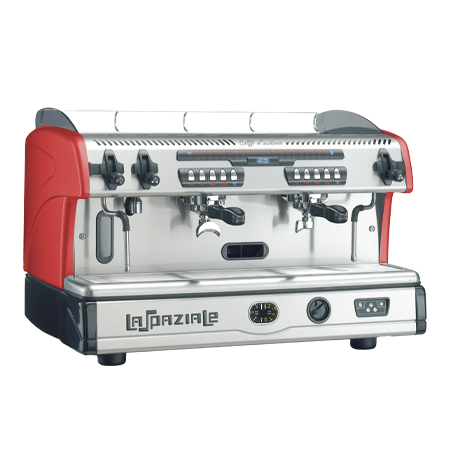
Advantages of Espresso Machines
Control: Espresso machines offer extensive control over the brewing process, allowing you to adjust grind size, tamping pressure, and extraction time to perfect your coffee.
Customisation: With the right skills, you can create a wide variety of coffee drinks, tailoring each one to your specific preferences.
Durability: Many espresso machines are built to last, with robust designs and high-quality components.
Disadvantages of Espresso Machines
Inconsistency: Unless it is only coffee that staff have to concentrate on all day long, like in a coffee shop, it is difficult to get the same consistency of drink quality every time, as they have to concentrate on many other tasks at once. If you have weekend staff and there are lots of staff changes, more inconsistencies in quality will occur.
Complexity: Using an espresso coffee machine can be challenging and time-consuming, requiring practice and precision to master.
Time-Consuming: The process of grinding, tamping, and brewing can be lengthy, which might not be ideal for those looking for a quick coffee fix.
Cost: While basic models are affordable, high-end espresso machines with advanced features can be quite expensive.
Maintenance: Regular cleaning and maintenance are essential to keep the machine in good working order and ensure the quality of the coffee.
Which Coffee Machine is Right for You?
Choosing the right coffee machine for a commercial business depends on several factors including the volume of coffee served, speed of drink required, the type of establishment, and the desired level of automation. Here are some key options and their benefits:
Automatic Bean to Cup Machines: Ideal for workplaces and businesses that would like convenience and consistency, allowing employees or customers to make coffee with a simple press of a button. They grind fresh beans for each cup, ensuring quality and freshness.
Traditional Espresso Machines: Perfect for coffee shops and cafes that would prefer the theatre of making a coffee with trained baristas. These machines provide full control over the coffee-making process, allowing for the creation of high-quality espresso-based drinks.
Drip Coffee Makers: Suitable for restaurants and establishments that need to serve large volumes of coffee quickly. They can brew a full pot of coffee at once, making them efficient for high-demand scenarios.
Instant machines: Suitable for venues that need a lot of coffee very quickly.

Both bean to cup coffee machines and espresso machines have their unique advantages and disadvantages. When deciding on the best commercial coffee machine for your business, consider your specific needs in terms of volume, quality, and ease of use. Consulting with a coffee machine supplier near you to understand the options and potential lease or purchase agreements can also help in making an informed decision.
Choosing Bean to Cup vs. Espresso Coffee Machines
Choosing the right commercial coffee machine for your establishment is a decision that needs to be researched and considered. Take your time and consider the factors mentioned above to make an informed choice that aligns with your requirements.
Contact Coffee Inspiration today and let us help you choose the perfect coffee machine to create memorable coffee experiences for your customers and/or staff.


